Choosing the Right Type of Boxing Hand Wraps as a Beginner
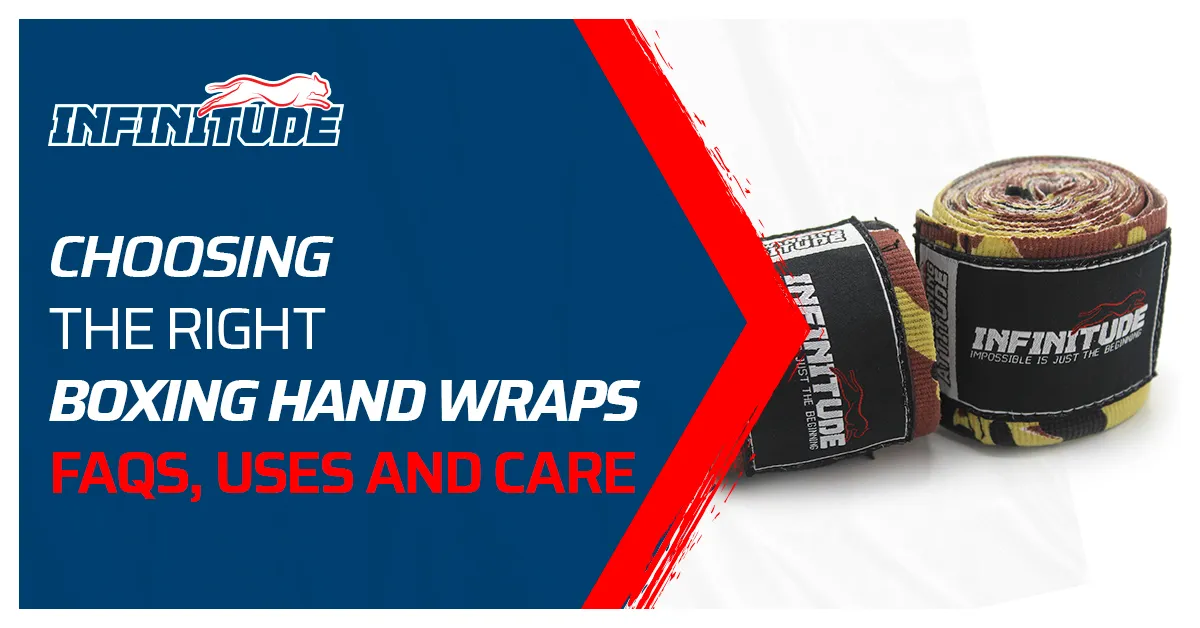
For most adult beginners, an 180 inch semi-elastic cotton or Mexican-style wrap is the right place to start. That length gives enough material to support the wrist, cover the knuckles, and secure the hand, without turning the wrapping process into its own project. Smaller hands often do better with a 120 inch wrap, and quick or gel wraps make sense when convenience matters more than a fully custom fit.
The type that matters most isn’t the one with the most padding or the fanciest name. The right one fits your hand size, your training style, and your glove, and you’ll actually wrap it correctly every session. Infinitude Fight offers boxing hand wraps across the beginner-friendly range, a reasonable starting point if you’d rather not compare a dozen near-identical listings.
Why Boxing Hand Wraps Matter?
Hand wraps exist to hold the hand’s small bones together as one rigid unit. They don’t cushion a punch, that’s the glove’s job. A US emergency room study found hand fractures made up 53.64% of all boxing associated fractures treated between 2013 and 2022, more than double the next most common category.
Research also shows wrapping does the opposite of softening a punch. A classic 1985 study measuring punch force found that bandaging a fist increases the force it delivers on impact, and that force rises with wrap thickness. A tightly wrapped, rigid hand deforms less on contact than a bare one, so more energy reaches the target instead of dissipating into loose knuckles and joints. That mechanism is also exactly why wraps protect the puncher. A hand that deforms less on impact is a hand that’s far less likely to fracture.
Main Types of Boxing Hand Wraps Compared
| Type | Material | Best For | Cost |
| Traditional Cotton | Non-elastic cotton | Learning proper technique, firm structured support | Affordable |
| Mexican-Style / Semi-Elastic | Cotton-elastic blend | Most beginners, easiest conforming fit | Affordable |
| Quick Wraps | Stretch cotton, nylon, or spandex, glove-like shape | Convenience, fitness boxing, short sessions | Affordable |
| Gel | Neoprene, polyester, gel padding | High-intensity training, smaller hands | Highest |
| Gauze and Tape | Cotton gauze, adhesive tape | Sanctioned competition, corner-wrapped fights | Highest |
120-Inch vs 180-Inch Hand Wraps: Which is Better
180-inch wraps are the safer default for most adult beginners. The extra length covers the wrist, knuckles, and thumb with room to spare, so you’re adjusting how much material you use rather than running out mid-wrap. 120-inch wraps suit smaller hands, younger athletes, or anyone who finds a full-length wrap too bulky under a snug glove. More material isn’t automatically better. A wrap so thick it keeps the glove from closing comfortably needs a shorter length, not a bigger glove.
Cotton vs Mexican-Style Elastic Wraps: Which Fits Beginners Better
Mexican-style, semi-elastic wraps are the easier starting point. The stretch conforms to the hand and forgives a slightly uneven pull, so a beginner’s early wrapping mistakes are less likely to cut off circulation or leave a gap over the knuckles. Non-elastic cotton offers firmer, more locked-down support once you’ve learned the technique, but there’s no give to correct an uneven pull, so a mistake stays a mistake for the whole session.
Traditional Wraps vs Quick Wraps: Which Should Beginners Choose
Choose traditional, or Mexican-style wraps when you’re training regularly and want to build real wrapping skill and control over fit. Choose quick or gel wraps when speed matters more than customization, for fitness classes or shorter sessions where re-wrapping from scratch isn’t practical. Quick wraps aren’t a downgrade; they’re simply designed for convenience. You give up some control over the fit, such as where the wrap sits and how much coverage each area gets, in exchange for a much faster setup.
How Much Gauze and Tape You’re Allowed to Use in Competition
The Association of Boxing Commissions caps professional hand wraps at 20 yards of soft gauze, no more than 2 inches wide, held by up to 8 feet of adhesive tape under 1.5 inches wide. Tape can’t cover the knuckles when the fist is clenched. Amateur commissions run similar limits, and an official inspects and signs off on the finished wrap before gloves go on. None of this applies to a bag session at your own gym, but it’s worth knowing before your first sanctioned bout changes the rules on you.
Which Hand Wraps Fit Your Training
| Training Type | Recommended Wrap |
| Beginner boxing class | 180-inch semi-elastic |
| Heavy bag or pad work | 180-inch traditional or semi-elastic |
| Sparring | Whatever your coach and gym require, usually 180-inch |
| Fitness or cardio boxing | 120 to 180-inch, or a quick wrap |
| Small hands | 120-inch |
| Sanctioned competition | Event’s specified gauze and tape rules |
Boxing Handwraps Beginner Buying Checklist
- Average or large adult hands? Start with 180 inches.
- Smaller hands? Compare 120 and 180 based on actual fit, not a rule of thumb.
- Want more control over the fit? Choose traditional or Mexican-style reusable wraps.
- Prioritize speed? Quick or gel wraps fit shorter or fitness-focused sessions.
- Can you close your glove comfortably after wrapping? That’s the real fit test, more important than any spec on the label.
Key Takeaways
- An 180-inch semi-elastic cotton or Mexican-style wrap is the right starting point for newbie boxers, and 120 inch for smaller hands.
- Hand wraps immobilize the hand’s small bones into one unit, they don’t cushion the punch, the glove does that.
- Wrapping increases the force a punch delivers by reducing how much the hand deforms on impact, which is also why it protects the puncher’s own bones.
- US emergency-room data shows hand fractures make up more than half of all boxing-related fractures, the single most common injury in the sport.
- Competition hand wraps are capped by regulation, roughly 20 yards of gauze and a few feet of tape under Association of Boxing Commissions guidelines.
- The most common beginner mistake is wrapping too tight, numbness or tingling means it needs to come off and go back on looser.
FAQs
What is the difference between Mexican hand wraps and traditional hand wraps?
Mexican boxing wraps are made with a blend of cotton and elastic, offering more stretch and comfort than traditional hand wraps, which are made of pure cotton. The traditional cotton hand wraps are stiffer and provide firmer support.
Are all hand wraps the same?
No, not all hand wraps are the same. There are many types, such as traditional cotton wraps, Mexican style elastic wraps, and quick wraps. While they all protect the hands and wrists, but vary in terms of features, material, and fit.
Should I get 120 or 180 hand wraps?
It’s best to choose 180 inch hand wraps because they fit all hand sizes. In boxing, having more wrapping material offers better protection for your hands and wrists.