How to select the appropriate wholesale boxing groin guard like a pro?
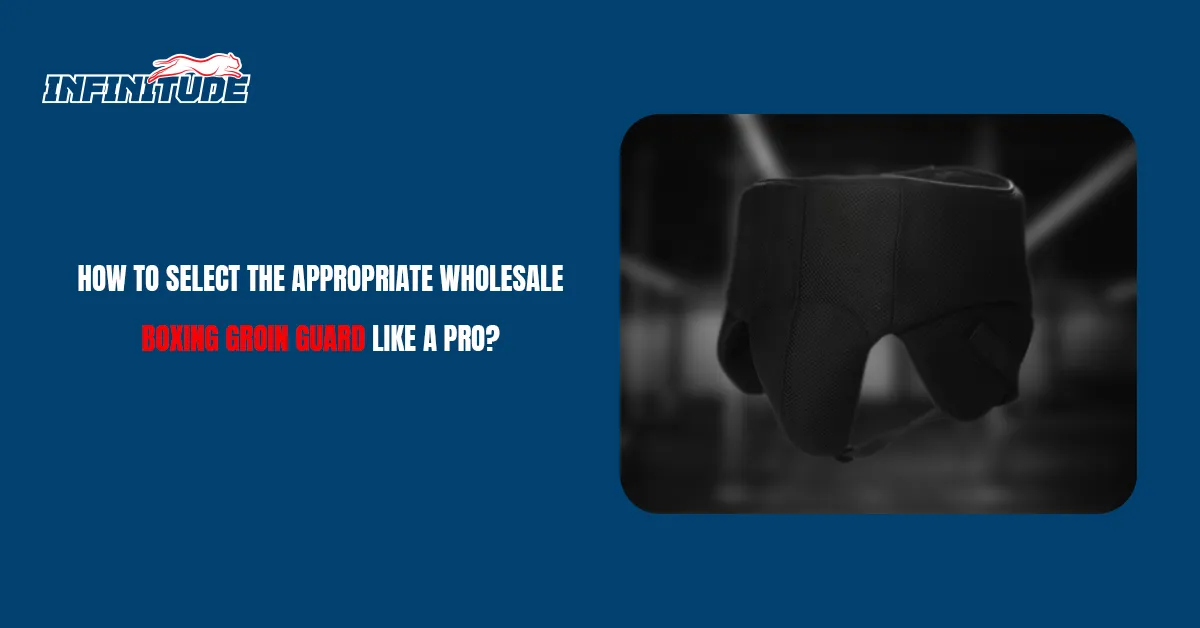
To choose the right boxing groin guard, first avoid common pitfalls like poor fit and restricted mobility, which can cause painful chafing or dangerous shifting during a fight. A pro level choice requires balancing cup rigidity for high-impact protection with a flexible, secure strapping system that keeps the guard locked in place during intense footwork. Do not just buy by waist size. Consider your stance and whether you need a slim foul protector for agility or a full coverage padded guard that shields the lower abdomen and hips. Test your boxing groin protector for a snug, pinch free fit while throwing hooks and moving laterally to solve the dual problem of vulnerability and discomfort before stepping into the ring.
Start With a Boxing-Specific No-Foul Groin Protector
Choose a full no-foul groin guard for boxing rather than a cup-only design worn inside compression shorts. A no-foul protector includes a protective cup, padded coverage around the groin and lower abdomen, a waistband, and leg straps to help keep the guard stable during movement. This matters during pivots, slips, squats, combinations, and close-range exchanges. A protector that twists, rides up, or moves away from the body cannot provide consistent protection when an accidental low shot lands.
Also Read: Why Every Boxer Needs a Groin Guard for Training and Sparring
Choose Cup Construction and Padding for Your Training Level
The cup and padding are the core protective parts of a boxing groin guard. Outer material affects durability, maintenance, and price, but impact management depends more directly on cup rigidity, padding density, coverage, and fit. A reliable guard should include:
- A rigid cup that maintains its shape under contact
- Dense foam padding that helps distribute force around the guard
- A padded lower-abdomen area for extra coverage
- A stable waistband and leg straps that prevent shifting
- Reinforced stitching around high-stress areas
Beginners who train occasionally should go for a lighter groin guard that is easy to wear and clean. Regular sparring partners should prioritize a firmer cup, denser padding, and a secure retention system. Fighters who spar or compete often benefit from a more durable construction that stays stable through repeated sessions.
| A Fit Test – Put the guard on, then shadowbox, squat, pivot, lift each knee, and throw a few light combinations. If it pinches, rotates, rides up, or restricts your hips, adjust it or choose another size or design. |
Compare Leather, Synthetic Leather, and Vinyl Options
The material of a boxing groin guard affects how long it lasts, how much care it needs, how it feels over time, and how it fits within your budget.
Genuine Leather Works Well for Frequent Training
Serious fighters and high-volume gyms choose genuine leather because it is durable, flexible, and long-lasting with proper maintenance. It may gradually conform to the wearer’s body, but it usually needs a short break-in period before it feels fully comfortable. A leather groin guard is a practical long-term choice when it also has a secure cup, quality padding, durable straps, and reinforced stitching. Leather alone doesn’t guarantee better protection; overall construction still matters.
Synthetic Leather Balances Price and Convenience
Synthetic leather is usually more affordable than genuine leather and easier to maintain. It is a sensible option for beginners, occasional trainees, entry-level product lines, and retailers that need accessible price points. Synthetic materials may wear faster under frequent heavy use. Check the cup stability, strap quality, stitching, and interior padding carefully.
Vinyl and Polyurethane Suit Budget-Focused Buyers
Vinyl and polyurethane guards are the lowest-cost options. They are easy to wipe clean and work well for beginner-oriented wholesale selections, especially for customers buying their first set of boxing protective gear. The trade-off is that lower-cost vinyl or polyurethane may crack, split, or show surface wear earlier than quality leather or reinforced synthetic materials. It suits lighter training, entry-level buyers, and price-sensitive product ranges rather than long-term, high-volume sparring.
Measure Carefully for a Secure, Comfortable Fit
Size is one of the most important factors when choosing a boxing groin guard. A guard can have excellent materials and padding, but it will not work properly if it is too loose, too tight, or incorrectly positioned. Use a tape measure around your waist and follow the brand’s size chart. A properly fitted guard should:
- Sit securely against the body without crushing or pinching
- Cover the groin and lower-abdomen area appropriately
- Stay centered during footwork and defensive movement
- Allow normal squatting, knee lifts, and hip rotation
- Use adjustable straps that feel firm without restricting circulation
Find the Right Boxing Groin Guard at Infinitude Fight
Choosing a boxing groin guard becomes easier when you compare the full construction rather than focusing only on the price or outer material. Before you buy, consider the cup, padding, coverage, straps, sizing, intended training level, and expected maintenance.
Infinitude Fight is a reliable source for buyers who want boxing groin guards alongside other protective equipment, including boxing gloves, hand wraps, mouthguards, headgear, and body protectors. Build a complete protective gear selection around real training needs, whether the customer is a beginner, a regular sparring partner, a gym owner, or a competition-focused boxer.
Key Takeaways
- Choose a boxing-specific no-foul protector for stable groin and lower-abdomen coverage during sparring.
- Prioritize cup rigidity, dense padding, and secure straps before judging outer material or price.
- Measure your waist using each manufacturer’s chart because boxing groin guard sizes vary widely.
- Genuine leather supports long-term durability, while synthetic and vinyl options suit lower-budget buyers.
- Test every guard through footwork, squats, and bag work before relying on it for sparring.